Russia is “relentlessly” targeting critical infrastructure, democratic processes, supply chains and public trust in the UK and Europe, the head of GCHQ will warn, urging the public and businesses to urgently ramp up cyber security efforts.
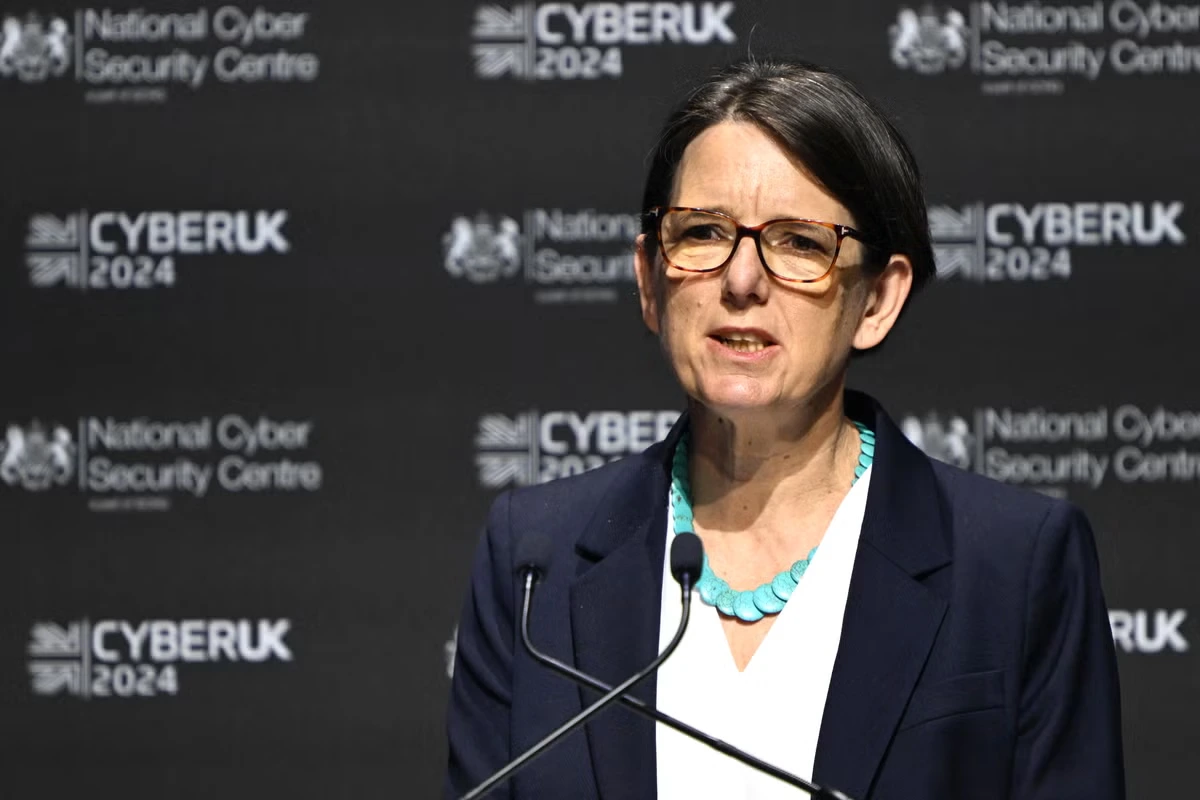
Anne Keast-Butler is set to give the inaugural GCHQ annual lecture on Wednesday, setting out how Russia is increasing its hybrid activity against countries including Britain and warning that the speed of advancements in technology mean there is a “narrowing window for the UK and allies to stay ahead”.
She is expected to highlight the organisation’s efforts in “disrupting Russia’s efforts to smuggle western tech, fending off cyber attacks, and countering reckless sabotage and assassination attempts”, adding: “As we remain steadfast in our support for Ukraine, Putin is going backwards on the battlefield”.
It comes just days after US general Christopher Donahue, head of Nato’s Land Command, warned the alliance it has little time to prepare to meet a potential Russian attack as its forces took over a London Charing Cross Tube station to simulate launching “deep strike” operations on Russia in the event of an attack on a member state.
“Mission-ready by 2030 is not a slogan, it is what we must do,” he said. “Legacy forms of mobilisation and movement are no longer a given Nato advantage, and a lack of protection in depth will be used against us.”
As part of Operation Arrcade Strike, soldiers were testing Nato’s capacity to use electronic warfare to jam Russia’s communications and down the Kremlin’s drones in the event of a Russian invasion of a Baltic country.
Speaking at GCHQ on Wednesday, Ms Keast-Butler is expected to warn that Russia is “relentlessly targeting critical infrastructure, democratic processes, supply chains and public trust”.
“China is now a science and tech superpower, with sophisticated capabilities across their intelligence, cyber and military agencies”, and rapid progression in AI means “the ground beneath our feet is shifting”, the audience will hear.
She will urge the technology industry and those working in national security to “anticipate and drive advancements, together, at the speed of the frontier”, as well as calling on the public to take action “from boardrooms to living rooms” to increase cyber security.
“At home, that means taking important action now to switch passwords for passkeys, and for wider society, it means hardwiring security into new technologies, protecting supply chains and making cyber security 10 times more urgent,” she will say.
It comes just days after an RAF jet which was carrying defence secretary John Healey had its signals jammed as it flew near the Russian border.
Mr Healey had been visiting British soldiers in Estonia and was travelling back to the UK when the electronic attack happened. It is thought Russia was behind the incident.
Smartphones and laptops were unable to connect to the internet and pilots had to use a different navigation system as the plane’s GPS was disabled for the entire three-hour flight.
A defence source said: “This is reckless Russian interference, but the RAF is well prepared to deal with this activity.”
There have been several warnings about the mounting threat to Britain’s cybersecurity posed by Russia, with Dr Richard Horne, head of the National Cyber Security Centre which is part of GCHQ, earlier this year warning that most nationally significant cyber attacks on Britain were carried out by hostile states including China, Iran and Russia.
He said the body dealt with around four of these attacks each week, and warned businesses to be prepared to protect themselves against cyber attacks without needing the option of paying ransoms, because the UK could be targeted “at scale” if it were to become involved in an international conflict.
And past month, Mr Healey was forced to issue a stark warning to Putin after Russian attack and spy submarines were found operating in the North Atlantic near crucial UK cables and pipelines.
He revealed that the UK and allies monitored the vessels, which included a Russian Akula-class nuclear-powered attack submarine and two specialist submarines from Russia’s ministry of defence deep sea research programme, known as GUGI, for a month before they retreated.
Addressing Putin directly, Mr Healey said: “We see your activity over our cables and our pipelines, and you should know that any attempt to damage them will not be tolerated and will have serious consequences.”