First it came for bookshops. Then your favourite coffee shop. Now there is a new frontier when it comes to upping your merch game: museums.
Instead of art print postcards and coffee table books, you are now more likely to find everything from slogan T-shirts to coffee mugs when you “exit through the gift shop”, as museums look to merch-maxx in order to boost revenue
Rather than an exit point, this new wave of merchandising is quickly turning museum gift shops into a desirable entry point. Curated edits spanning fashion to homeware mean people are now beginning to treat them as a stand-alone shopping destination, marking a shift from cultural institution to cultural retailer.
A new exhibition exploring Marilyn Monroe’s legacy, which opens at London’s National Portrait Gallery (NPG) next week, features merch including cat-eye sunglasses similar to the ones she wore in 1950s Hollywood, a limited-edition lipstick inspired by her signature red pout and a baseball cap emblazoned with her scrawled signature.
Ed Simpson, the buying and product development manager at the NPG, said they began developing the Monroe offering 18 months ago. While visitors will still find posters and postcards with images of the actor to reflect what they have experienced, Simpson added the wider selection of products is “a really great way of interpreting the exhibition without being too literal”.
At the Tate Modern in London there are cat feeding bowls and cat-shaped hair clips to mark cat fan Tracey Emin’s exhibition. At the V&A in Dundee, bottles of hairspray and gold scissors nod towards an exhibition celebrating the catwalk.
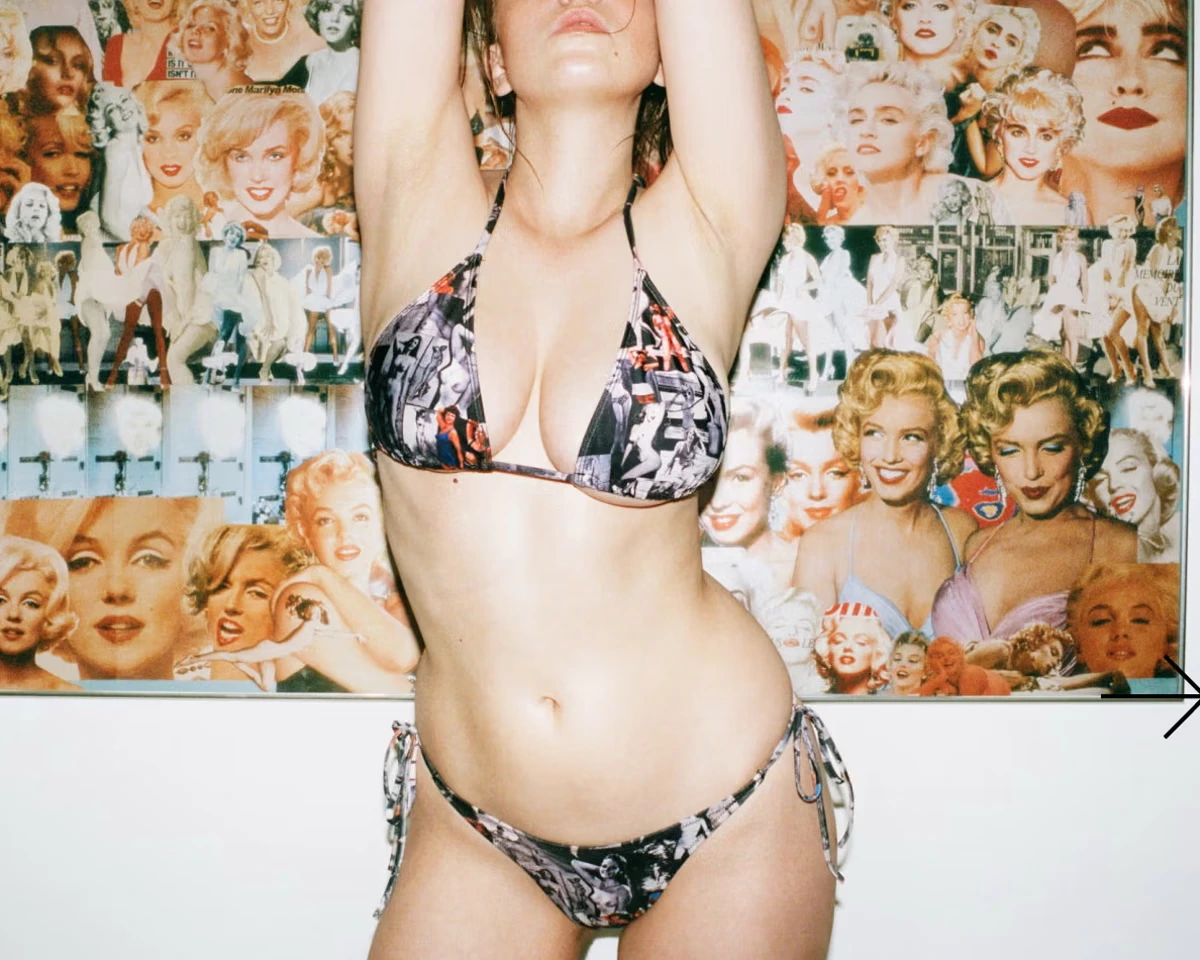
At a showcase of the artist and film-maker Dick Jewell’s work, a bikini featuring prints from his Erotic Armpits collage is being sold. Visitors to the Schiaparelli blockbuster at London’s V&A, meanwhile, can pick up a tote bag with a trompe l’oeil of a jumper featured in the show.
A recent Royal Academy retrospective of the British painter Rose Wylie concluded with an array of merch, including a football scarf, while the NPG’s celebration of Lucian Freud included an “Everything is a portrait” T-shirt designed by his fashion designer daughter Bella Freud.
Simpson said he and his team try to avoid “just slapping an image on a product”. Instead, something like an autographed baseball cap offers “a kind of ‘if you know, you know’ nod to the exhibition”.
Bridget Dalton, a semiotician and cultural analyst at Truth Consulting, described this wave of museum merch as “cultural capital in the old school bourgeois sense”.
For her it is “a triple whammy” featuring a cultural product “that represents your interests”, public support of an institution “such as a national gallery” and an element of fashion that lets the wearer express a cultural moment way beyond the exhibition itself, she said.
This approach to merch also appeals to a younger cohort. On TikTok, gen Z post videos of “museum hauls” where they talk through merch purchases. The Design Museum’s Wes Anderson archival exhibition that includes earl grey teabags in a box that mirrors the Mendl’s pink patisserie box in his 2014 film The Grand Budapest Hotel, and an Asteroid City alien logo T-shirt, are particularly popular. For many, seeing one of these videos could entice them to book their own ticket
Anna Chase-Roberts, fashion buyer for the V&A, said rather than being a “nice add-on”, merch is something customers now expect and ask for.
With pieces ranging from £3 for a magnet to three figures for jewellery, it’s also a lucrative revenue earner for museums.
In its annual report last year, the V&A highlighted that merchandise, including tote bags and button badges that accompanied its Taylor Swift exhibition, delivered £1.1m in just seven weeks of trading – its highest level ever recorded.
The new V&A East Museum in Stratford includes two shops, a 1500ft main store and smaller shop dedicated to its landmark exhibitions, which is currently selling grime spinner necklaces and “Don’t scratch my soda” T-shirts as part of its inaugural The Music is Black exhibition.
Chase-Roberts said the curation of product for its new stores was “years in the making”. A desire to support new talent alongside demand for limited-edition pieces prompted them to collaborate with up-and-coming makers, such as the London-based ceramic artists Clink Street. A £380 “Rave culture” vase sits alongside a pair of £8 neon-coloured socks.
While a Daunt Books-branded tote bag or a T-shirt brandishing a literary author’s name has become somewhat performative, Dalton believes this new iteration of merch is more of a grownup take on fandom. This form of cultural capital signifies that “you’re engaged” in the wider world, he said.
“You are almost like a walking gallery. You can hang your work, demonstrate your knowledge, your intellectualism and even your specificity of expertise. That’s really quite powerful.”