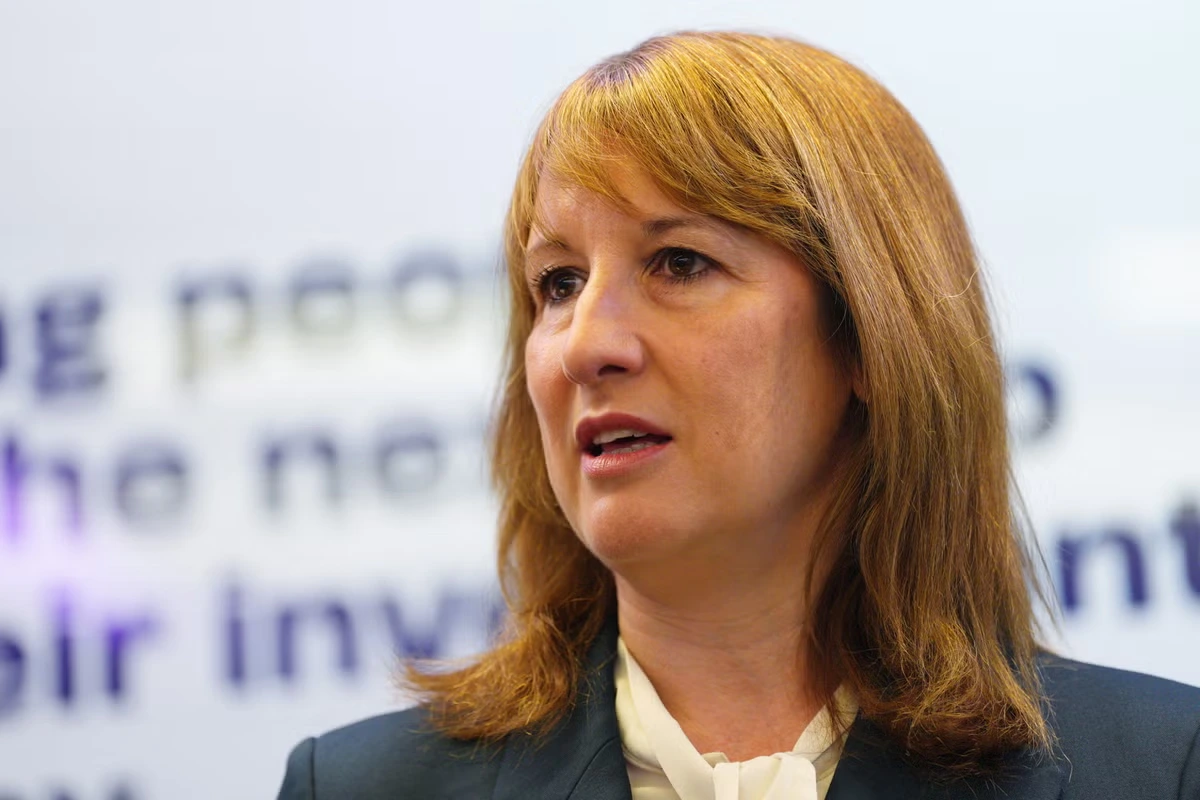
When Rachel Reeves unveiled her cost of living announcements last week, there were some who gave it the rather grand title of “a mini Budget”.
She may not have been entirely happy with that, given that the last mini-Budget – the one delivered by Liz Truss – almost bankrupted the country and saw the government collapse in 49 days.
But, in truth, the criticism of her announcements appears to have been proven true in just a week with the announcement by Ofgem that the energy price cap will be allowed to rise by 13 per cent, more than four times the rate of inflation.
It has made her announcements look meaningless and the chancellor herself look powerless.
What Ms Reeves unveiled last week was a series of truly mini measures – free bus travel for under-16s, VAT cuts on tickets for theme parks and attractions during the summer holidays. While helpful for those preparing for a staycation or needing to entertain their children in the long summer months, it did little to tackle the real problems facing people’s lives.
The one big measure was to finally uprate the amount people could claim for mileage on their taxes up to 55p from 45p. The white van man or plumber boost, as the chancellor framed it.
But Ms Reeves avoided dealing with the really big-ticket items. She rightly did not get dragged into trying to impose cost limits on supermarket essentials, but there was some surprise that she did nothing to deal with energy bills.
The chancellor did point out that her Budget last December carried £150 worth of reductions in bills. However, the problem she has now is that people will not feel that when their bills rise on average by about £200 this autumn.
Of course, the real reason Ms Reeves avoided doing anything goes back to the Truss mini-Budget – it was the massive energy bailout which brought down that government and spooked the markets far more than the much smaller package of tax cuts.
The chancellor had little room either economically or politically for manoeuvre. The Starmer government is teetering on the edge of a precipice, waiting for Andy Burnham to give it a final push – as long as he wins the Makerfield by-election.
That means that, politically, it is very hard to get any changes done. In Whitehall, civil servants will be waiting to see who is prime minister and chancellor by the end of the year – they will not be so worried about the demands of those currently in position.
Meanwhile, Trump’s Middle East war has simultaneously pushed up energy bills and tested the limits of the £20bn worth of headroom Ms Reeves gave herself at the last budget.
With an unwillingness to loosen her borrowing rules because of fears of a run on the bond market (yes, the Truss effect again), she did not have the money for a major intervention on energy bills.
But the frustration politically is clear. When the new bills land on people’s doorsteps, an already desperately unpopular Labour government is going to attract even more ire from voters.
Added to that, we saw in Tony Blair’s intervention that the energy agenda and a frustration over the way Labour is not pursuing cheap energy is near the top of his list of criticisms.
The Net Zero policies of Ed Miliband are clearly not helping at a time when money is short and political capital is shorter.
But whoever is running the Treasury by this winter will need to work out a way of bringing energy bills down without bankrupting the country.